Crypto Casino Sponsorships: Roobet, Nadeshot and the Esports Boom
Esports and online gambling are crossing paths more often. In September 2025, Roobet, a crypto-focused gambling platform, announced a sponsorship deal with former Call of Duty champion and 100 Thieves founder Matthew “Nadeshot” Haag. Financial terms were not shared, but Roobet said its branding would appear across Haag’s social channels and livestreams.

Legal questions and fan backlash
Roobet is not legal in many countries, including the United States. Haag lives in the U.S., so he streams Roobet content while traveling to Mexico. Critics argued that he was promoting an illegal gambling platform to a largely American audience.
The timing didn’t help. The announcement landed around the same period as layoffs at 100 Thieves, which sparked further backlash. Haag later said the overlap was a mistake and that he had no involvement in the layoffs. He also defended the deal by saying his audience is mostly adults, claiming only 0.2 percent of viewers are teenagers.
Roobet deepens its esports push
In November 2025, Roobet went further. 100 Thieves announced a multi-year partnership that brought the organization back into Counter-Strike 2. Roobet received naming-rights sponsorship of the team, and the deal was described as one of the most lucrative in the company’s history.
Part of the funding will support a new training facility in Serbia, which will also serve as a content hub for streamers. The move marked 100 Thieves’ first return to Counter-Strike since 2020.
Why this is controversial
Roobet’s push into esports shows how crypto casinos use influencers and teams to reach new audiences. High-profile figures like Nadeshot bring visibility and credibility to platforms that many fans cannot legally access.
That has triggered debate inside the gaming community. Critics question whether it’s ethical to promote gambling through esports, especially when younger fans are part of the audience. Supporters counter that gambling sponsorships are common in traditional sports and that adults should be free to decide for themselves.
What U.S. fans should keep in mind
For players and viewers in the United States, the takeaway is simple: be careful. Roobet and similar crypto casinos remain illegal in most states, regardless of who promotes them.
These deals show how fast crypto money is moving into entertainment. They also underline the importance of knowing what’s legal, what isn’t, and who benefits from the hype.
Related Articles

Crypto creeps onto Vegas: A peek at the future of casino gaming
In **May 2025**, the **Venetian** and **Palazzo** resorts in Las Vegas hosted **Bitcoin 2025**. Around **35,000 people** attended, including the **U.S. vice president**. Crypto didn’t show up on the gaming floor. But the message was simple: in Las Vegas, digital coins aren’t just a curiosity anymore.

Celebrities and Crypto Casinos: Lawsuits Highlight US Player Harm
In late **2025** and early **2026**, several lawsuits put **Stake.us**, the U.S. version of a popular crypto casino, under a spotlight. Plaintiffs and regulators say the platform works like a real-money casino while presenting itself as a harmless social game.
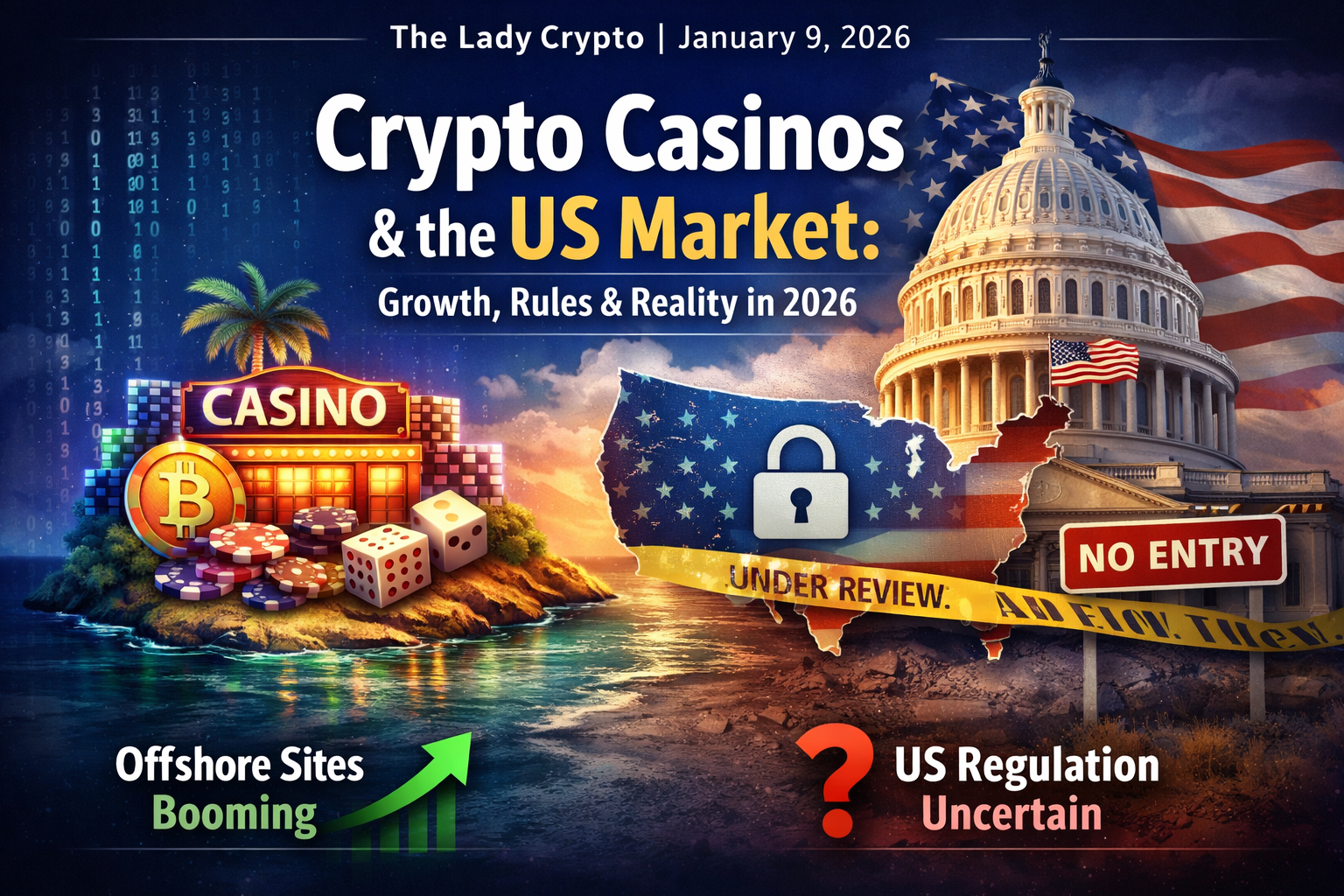
Crypto Casinos and the US Market: Growth, Rules and Reality in 2026
Crypto casinos are spreading worldwide. In the U.S., it’s more complicated. Americans can gamble with Bitcoin and other coins on offshore sites, but regulators still haven’t approved crypto casinos to operate legally at home. As **2026** begins, the market keeps growing and lawmakers are still trying to keep up.